
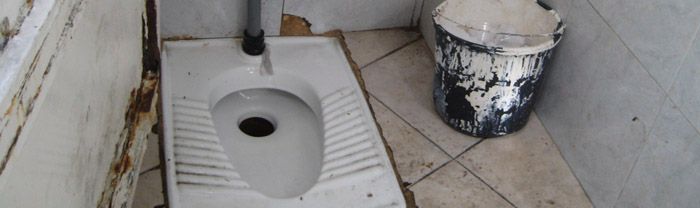
While traveling Northern Mali in the fall of 2010, I came down with a horrific case of amoebic dysentery. When the symptoms began, I assumed I had traveler’s diarrhea, which would last a day or two – uncomfortable and inconvenient, but nothing serious. When I started shitting blood, I realized something more sinister was at work.
I took ciprofloxacin, thinking it was likely a bacterial issue. 1000mg of cipro will typically decimate enough of the bacteria to normalize your stools. But the cipro did nothing.
At the time, I was in Timbuktu (literally), one of the worst places on earth to come down with an intestinal issue of this magnitude. After three days of dry heaving, pooping blood, and not eating, I took a miserable 12 hour overland journey to get to Sevare, a village in the middle of Mali.
In Sevare, I went to a clinic. I was asked to give a stool sample. This involved crapping pure fluid (with some blood mixed in for good measure) into a plastic shot glass. I also had to have my blood drawn. After a few hours I had my result: amoebic dysentery.
You may remember amoebas from science class. They are nature’s single celled organisms, weirdly shaped, cute under a microscope. Inside your intestines, they are a nightmare. They destroy the intestinal wall, resulting in bloody stools. In some cases, they enter the bloodstream and travel to other organs in the body.
Treatment
For treatment, I was prescribed metronidazole, which I took for ten days. Metronidazole destroys amoebas in the intestinal tissue. You may know it by its brand name Flagyl. I was then instructed to take paromomycin, which will destroy amoebas that may have invaded the bloodstream and other parts of the body.
I had never taken either of these drugs, but they were both effective. I was very grateful when the symptoms dissipated and I could sit on the toilet without fear. I had lost a lot of weight, and it took me a couple of weeks to get my strength back.
However, I will say that I did experience awful side effects when taking the metronidazole. Specifically, I had the taste of metal in my mouth, and it didn’t go away until I stopped taking the medication. It made it difficult to eat and drink – it tainted everything, in fact. I also had frequent bouts of vertigo. These are well known side effects of metronidazole, but it is not guaranteed that you will experience them.
Prevention
I am pretty certain I know exactly where I got amoebic dysentery. I drank lukewarm tea that was made with water from the Niger River. I knew the water had not been boiled, but I drank it because I did not want to offend my hosts. Never again.
You can get amoebic dysentery from contaminated food and water. Like many other forms of diarrhea and dysentery, you come down with the disease after consuming someone else’s fecal matter. Nice thought, right? Here are a few standard precautions to take to avoid getting amoebic dysentery as well as any bacteria-caused diarrhea:
- Wash hands with hot soap and water, especially before eating.
- Eat fruits and vegetables that are washed thoroughly, boiled, or peeled.
- Drink treated water or boil it.
- Eat food that is served hot and preferably, food that you can see being prepared.
In hindsight, I would have politely declined the tea, or asked for the teamaker to heat the water longer. Sometimes, it may seem difficult to say no as guests in another person’s home, but when it comes to your health, you need to deal with the social consequences and refuse as politely as possible. I certainly won’t make the mistake again!
For information on treating and purifying water, check out our article 4 Ways to Treat Water While Traveling. Still have amoebas on your mind? Check out this video:
Have you had experience with amoebic dysentery or any other forms of dysentery? How did you get it and how was it treated? Respond in the comments.









{ 5 comments… add one }